GamblersPost Gamblers Post is a dedicated news and networking portal in the online gambling industry which features news, opinions, interviews as well as product and software reviews.
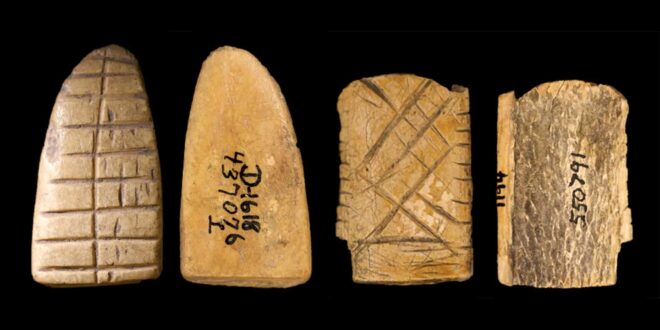
New research has pushed back the origins of gambling by thousands of years, revealing that Native Americans were using early forms of dice in games of chance during ice age, or as far back as 12,000 years ago. The study, published in the journal American Antiquity, challenges the long-standing belief that dice and probability-based games originated in the Old World.
Led by doctoral researcher Alexandre Madden, the study reexamines artifacts from museum collections, identifying over 600 objects that fit the criteria for dice. These artifacts, which include split animal bones, carved sticks, and asymmetrical pieces, were designed to produce random outcomes when thrown. Unlike modern dice, these objects often featured one side marked or flattened to ensure randomness.
“Historians have traditionally treated dice and probability as Old World innovations,” said Alexandre Madden. “What the archaeological record shows is that ancient Native American groups were deliberately making objects designed to produce random outcomes, and using those outcomes in structured games, thousands of years earlier than previously recognized.”
Madden’s findings suggest that these artifacts had been overlooked by archaeologists for decades. The study highlights that while these objects look different from modern dice, they were intentionally crafted to create randomness. This challenges the narrative that games of chance were a later development in human history.
The research also underscores the cultural importance of gambling among Indigenous communities. Games of chance were often linked to social gatherings, storytelling, and shared beliefs about luck and fate. For ancient Native Americans, these ice age games provided structured spaces for interaction, alliance-building, and managing uncertainty.
“Games of chance and gambling created neutral, rule-governed spaces for ancient Native Americans,” Madden explained. “They allowed people from different groups to interact, exchange goods and information, form alliances, and manage uncertainty. In that sense, they functioned as powerful social technologies.”